Finessa Official Website › Finessa Ingredients
Finessa Ingredients: Every Name On The Printed Panel
The Finessa panel groups its ingredients into four blends and prints one total for each: Polyphenol 1000 mg, Gut Health 755 mg, Liver Health 450 mg and a 52.5 mg probiotic blend. Nineteen plant ingredients sit inside the first three. No single name carries a milligram, so this page prints none.
The six names common to the Finessa record and the printed panel
Six botanicals are common ground between the supplier’s own product record and the printed panel.
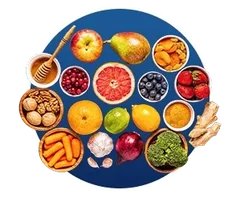
Beta vulgaris (root), in the Polyphenol Blend
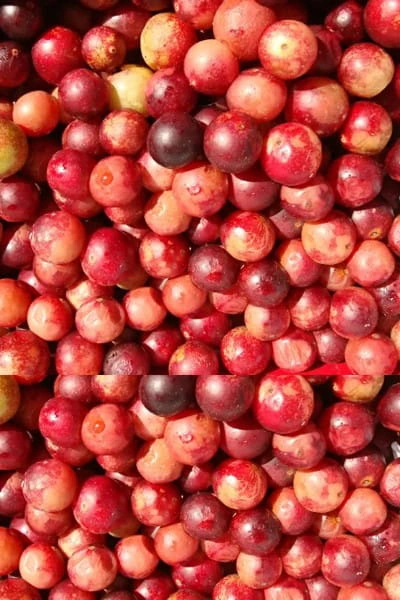
Vaccinium macrocarpon L. (fruit), in the Polyphenol Blend
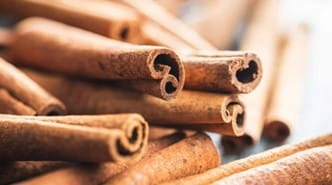
Cinnamomum cassia (bark), in the Gut Health blend
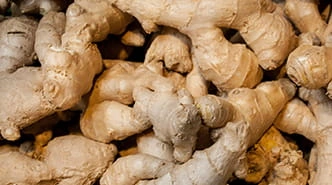
Zingiber officinale (root), in the Gut Health blend

Taraxacum officinale (root), in the Liver Health Blend
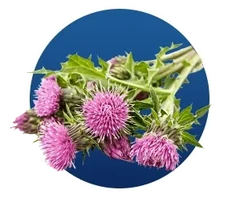
Silybum marianum, in the Liver Health Blend
Beet root opens the Polyphenol Blend, the biggest total here at 1,000 mg across nine fruit and root powders. The published work used juice and followed nitrate: a 2024 meta-analysis of 349 people pooled 200 to 800 mg of nitrate a day. This is powder, and the panel carries no nitrate figure.
Cranberry sits in the same blend, and its strongest evidence is urinary rather than digestive. The 2023 Cochrane review pooled fifty trials and 8,857 people and found fewer culture-verified urinary infections in women with recurrent ones — with no clear difference between low, moderate and high proanthocyanidin amounts.
Cinnamon is named as Cinnamomum cassia, the kitchen species rather than Ceylon. A Cochrane review of 577 people used a mean of 2 g a day for four to sixteen weeks and found the blood-sugar evidence insufficient. NCCIH notes that cinnamon products often leave the species unclear; this panel names it.
Ginger shares that gut blend and carries the most specific digestive finding here. An 11-patient trial gave a single 1.2 g dose in functional dyspepsia and measured gastric half-emptying time fall from 16.1 to 12.3 minutes. The stomach emptied faster; the people did not feel different.
Dandelion opens the 450 mg Liver Health Blend and is the thinnest item here by evidence. NCCIH states that very little research exists on the herb and that no compelling scientific evidence supports its use for any health condition.
Milk thistle appears twice, as whole powder and as silymarin standardised to 80% as silibinin. NCCIH finds not enough high-quality evidence for definite conclusions in people, and the largest trial used 2,100 mg a day for 48 weeks and missed its primary endpoint.
The eight the Finessa ingredient artwork names
Dandelion root, in the Liver Health Blend
From milk thistle seed, in the Liver Health Blend
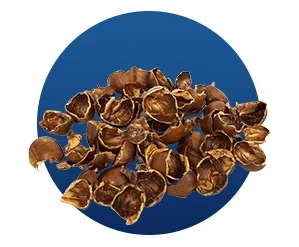
Rhamnus purshiana bark 10:1, in Gut Health
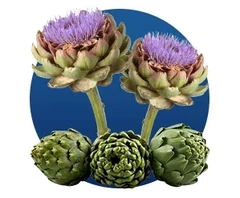
Artichoke extract, in the Liver Health Blend
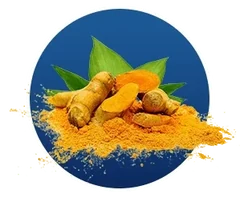
Turmeric root powder, in the Liver Health Blend
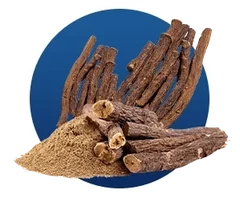
Deglycyrrhizinated, in Gut Health

The 52.5 mg Probiotic Blend, 5 billion CFU
The heading of the 1000 mg Polyphenol Blend
Six of the eight are single botanicals from the Liver Health and Gut Health blends. The last two are blend headings — which is how eight discs cover nineteen plant names.
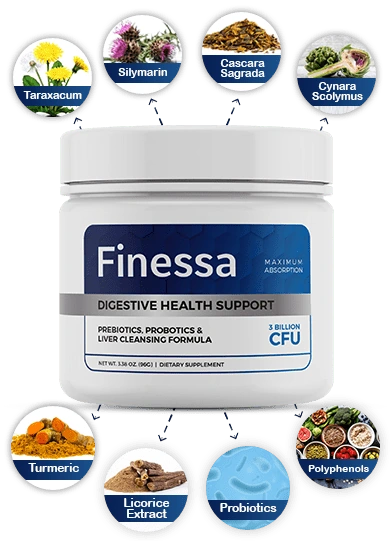
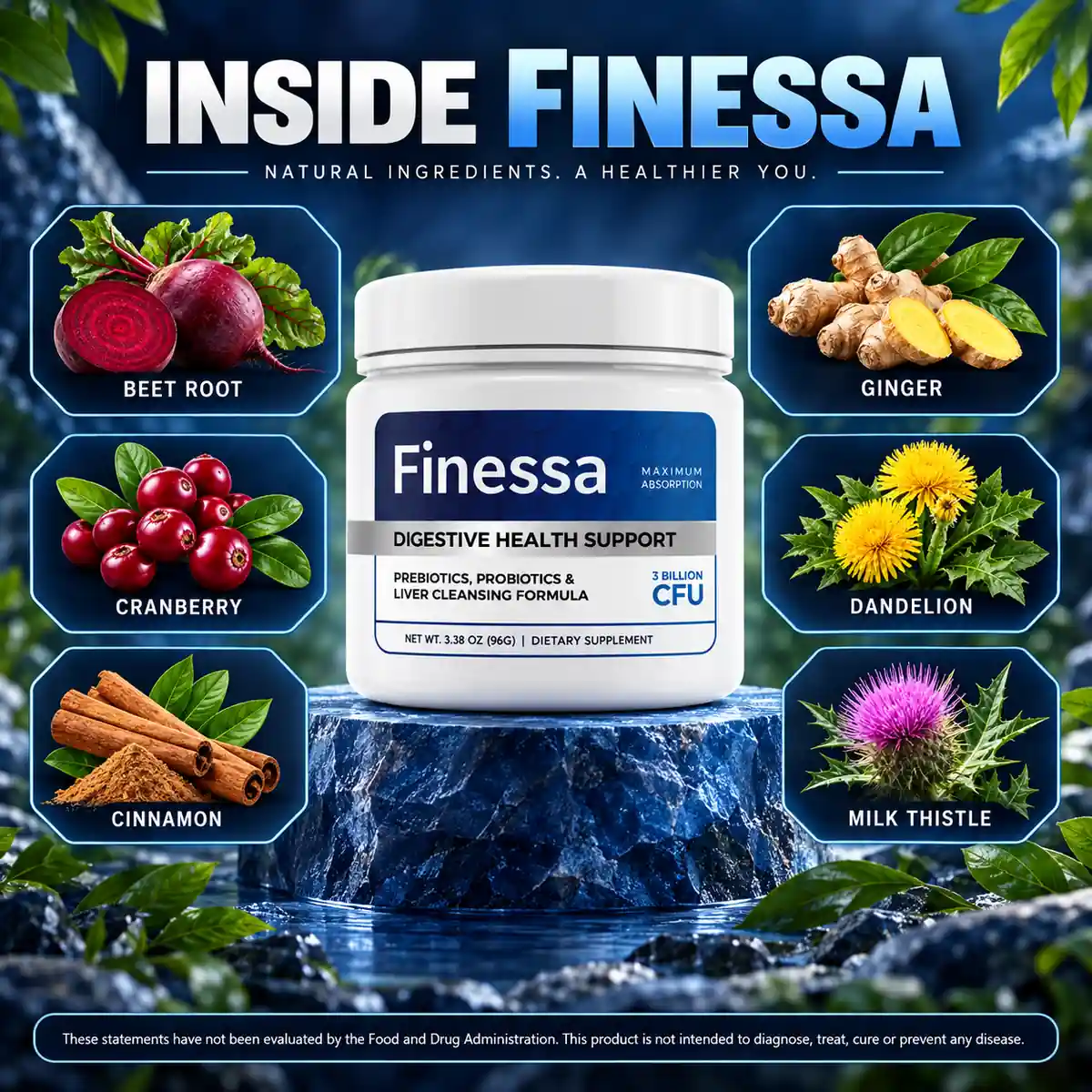
The four Finessa blends, and the total printed for each
Nineteen plant ingredients and a set of named strains, in four blends with one weight each.
| Blend | Total printed | Names inside it |
|---|---|---|
| Polyphenol Blend | 1000 mg | Beet Root Powder (Beta vulgaris) (root); Black Currant Powder (fruit); Pomegranate Powder (fruit); Raspberry Powder (fruit); Strawberry Juice Powder (fruit); Cranberry Powder (Vaccinium macrocarpon L.) (fruit); Blueberry Powder (fruit); Purple Carrot Powder (Raphanus sativus) (fruit); Acai Berry Extract (fruit) |
| Gut Health | 755 mg | Cinnamon (Cinnamomum cassia) (bark); Ginger Powder (root); Cascara Sagrada Extract (Rhamnus purshiana) (bark) 10:1; Deglycyrrhizinated Licorice Extract (root); Fructooligosaccharides |
| Liver Health Blend | 450 mg | Dandelion Powder (root); Turmeric Powder (root); Milk Thistle Powder; Artichoke Extract (Cynara scolymus), standardised to 5% cynarin (whole herb); Silymarin 80% as silibinin, from milk thistle seed extract |
| Probiotic Blend | 52.5 mg, 5 billion CFU | Nine named strains, listed on the panel page |
| Probiotic Powder, on its own line | 2 mg | Akkermansia muciniphila AH39 |
Serving size one scoop, and the four totals plus the Akkermansia line come to 2,259.5 mg (about 2.26 g).
A blend total is a ceiling rather than a dose. No item inside a blend can weigh more than the blend does, and every item shares that weight. The labelling rule lets a manufacturer print one total and stop there — which is why these figures are lawful and still one step from the number most readers want.
The twelve names the Finessa sales page adds
Under a metabolism heading the sales page prints a second ingredient list, a photograph to each name. Two of the twelve, cassia cinnamon and ginger, are on the printed panel inside the Gut Health blend. Inulin is a third case, explained under the photographs.
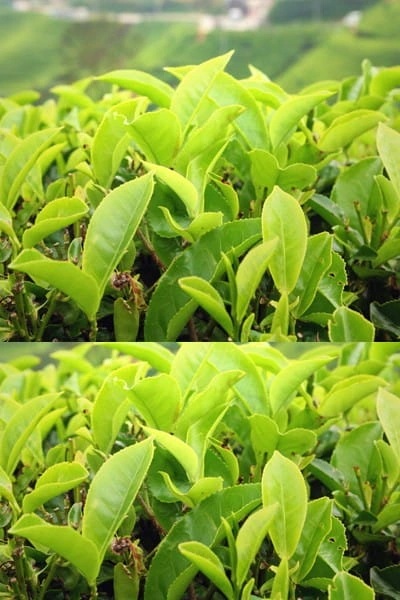
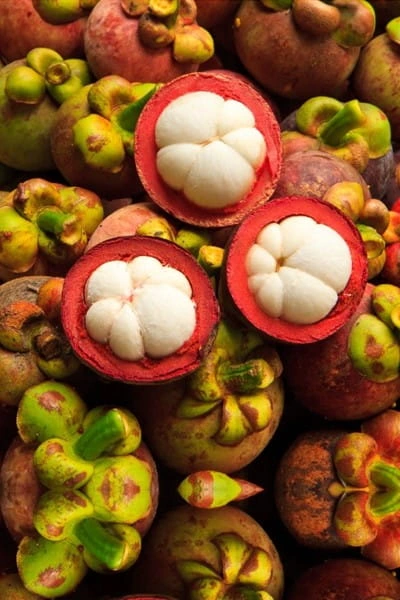
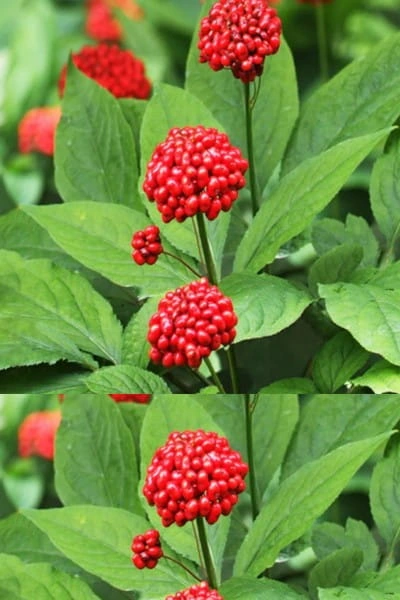
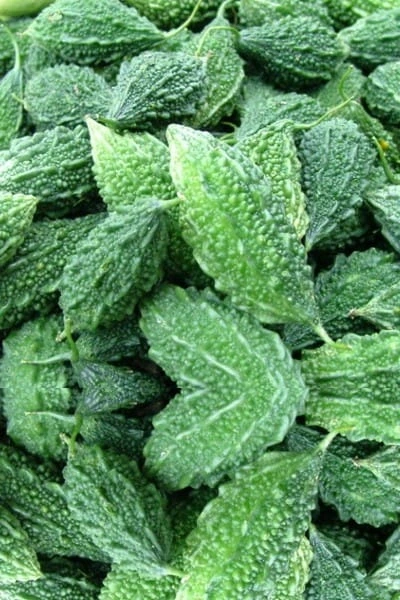
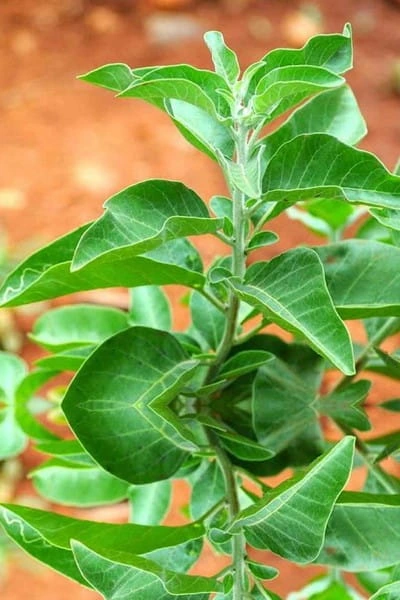
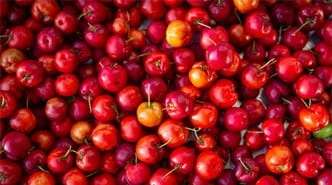
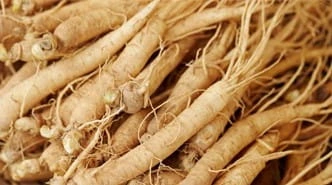
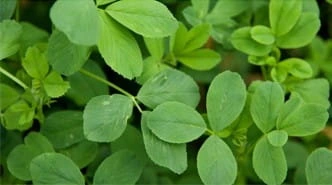
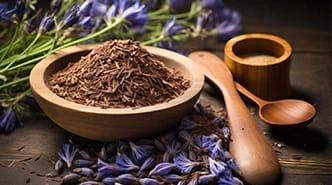
The sales page names inulin and describes dandelion as rich in it. The printed panel does not use the word: its prebiotic fibres are fructooligosaccharides, inside the Gut Health blend, and resistant dextrin in the other-ingredients line. Both are inulin-type fructans, so the seller’s word and the panel’s words describe the same family of fibre under different names.
The eight-item antioxidant blend on the Finessa sales page
A proprietary blend of eight super antioxidants, the sales page calls it. It is not the panel’s nine-item Polyphenol Blend.
The sales page names barley grass, spinach, blueberry, asparagus, cranberry, pomegranate, broccoli and spirulina. Three of the eight are on the label — blueberry, cranberry and pomegranate — all inside the Polyphenol Blend. The other five are on no panel at all.
Where the two lists part company, the label governs.
How the Finessa blend totals compare with the research doses
A blend total is not a dose. This section sets the published research amounts beside what a scoop can hold.
| Ingredient | What the research used | Ceiling on this panel | Share of the research dose |
|---|---|---|---|
| Cassia cinnamon | 2,000 mg a day, the Cochrane mean | 755 mg, shared with four others | at most 38% |
| Ginger | 1,200 mg, a single dose | 755 mg, shared with four others | at most 63% |
| Fructooligosaccharides | 12,000 mg a day in the constipation trial | 755 mg, shared with four others | at most 6.3% |
| Fructooligosaccharides | 15,000 mg a day in the application EFSA rejected | 755 mg, shared with four others | at most 5.0% |
| Milk thistle, as silymarin | 2,100 mg a day for 48 weeks | 450 mg, shared with four others | at most 21% |
| Selenium | 55 mcg a day, the adult RDA | 1 mcg, declared outright on the panel | 1.8% |
| Beet root | 200 to 800 mg of nitrate a day, from juice | 1,000 mg of powder, shared with eight others, no nitrate figure printed | not comparable |
| Cranberry | juices and tablets, with no clear dose-response | 1,000 mg, shared with eight others, no proanthocyanidin figure printed | not computable |
| Dandelion | no dose to compare against | 450 mg, shared with four others | — |
Every figure in the third column is a ceiling shared with four or eight other names. The panel declares 3 g of total carbohydrate a scoop. Even if every gram of it were fructan, that is a quarter of the 12 g used in the constipation trial and a fifth of the 15 g in the application EFSA judged insufficient.
Selenium is the one line with a figure of its own rather than a ceiling: 1 mcg a scoop against an adult allowance of 55 mcg a day, printed as 2% of the Daily Value.
Four names on the Finessa panel the supplier’s own record leaves out
Cascara Sagrada Extract 10:1
In the Gut Health blend. A stimulant laxative, sitting in a blend the seller sells as prebiotic and probiotic support. A different mechanism from everything else on the panel.
Turmeric Powder (root)
In the Liver Health Blend. Named on the panel and on the seller’s ingredient artwork, but not among the six the supplier’s own record lists.
Artichoke Extract (Cynara scolymus)
In the Liver Health Blend. Standardised to 5% cynarin. In the same daisy family as milk thistle and dandelion.
Deglycyrrhizinated Licorice Extract (root)
In the Gut Health blend. Deglycyrrhizinated, which is the form chosen to avoid the blood-pressure effect whole licorice carries.
Cascara sagrada is the one of the four that changes how the tub should be used, and the safety page sets it out in full.
Who publishes this Finessa website?
This desk publishes what the tub says and marks where the seller says more than the tub does. The four claims below are the ones a sceptical reader can audit in ten minutes, which is the only reason to make them:
- The tub is the source. The claim lines, the net weight, the serving and every blend total come from the printed label and the Supplement Facts panel. Prices come from the seller’s order page, read on 18 September 2026, not from a review column.
- Blend totals, never invented amounts. The panel gives one figure for each of four blends and no figure for any single botanical, so this website prints the blend totals and stops there, including in the structured data a search engine reads.
- Sources are real and linked in the sentence. Every study cited here was confirmed against its own record before it was written down, and every government page was opened and checked by its title rather than assumed.
- Corrections change the date. Write to [email protected] and the review date at the foot of the page moves forward.
We earn when you buy. Getfinessa is the USA Authorized Finessa Retailer named at the top of this page, and this website makes money on orders placed through it. That is exactly why the blend-total notes, the three-star reviews and the cascara sagrada section are here: they are where our interest and yours pull apart, and you should be able to watch us choose.
Order support on +1 (302) 200-3480 handles tracking, changes, cancellations and refunds. It is not a sales line, and this website never presents it as a way to place an order: orders go through the checkout only.
Sources for these Finessa ingredient notes
- Grönroos R, Eggertsen R, Bernhardsson S, Praetorius Björk M. Effects of beetroot juice on blood pressure in hypertension according to European Society of Hypertension Guidelines: A systematic review and meta-analysis. Nutr Metab Cardiovasc Dis. 2024;34(10):2240-2256. https://pubmed.ncbi.nlm.nih.gov/39069465/
- Williams G, Stothart CI, Hahn D, Stephens JH, Craig JC, Hodson EM. Cranberries for preventing urinary tract infections. Cochrane Database Syst Rev. 2023;11(11):CD001321. https://pubmed.ncbi.nlm.nih.gov/37947276/
- Leach MJ, Kumar S. Cinnamon for diabetes mellitus. Cochrane Database Syst Rev. 2012;2012(9):CD007170. https://pubmed.ncbi.nlm.nih.gov/22972104/
- National Center for Complementary and Integrative Health. Cinnamon: Usefulness and Safety. https://www.nccih.nih.gov/health/cinnamon
- Hu ML, Rayner CK, Wu KL, et al. Effect of ginger on gastric motility and symptoms of functional dyspepsia. World J Gastroenterol. 2011;17(1):105-10. https://pubmed.ncbi.nlm.nih.gov/21218090/
- National Center for Complementary and Integrative Health. Dandelion: Usefulness and Safety. https://www.nccih.nih.gov/health/dandelion
- National Center for Complementary and Integrative Health. Milk Thistle: Usefulness and Safety. https://www.nccih.nih.gov/health/milk-thistle
- Wah Kheong C, Nik Mustapha NR, Mahadeva S. A Randomized Trial of Silymarin for the Treatment of Nonalcoholic Steatohepatitis. Clin Gastroenterol Hepatol. 2017;15(12):1940-1949.e8. https://pubmed.ncbi.nlm.nih.gov/28419855/
- NIH Office of Dietary Supplements. Selenium: Fact Sheet for Consumers. https://ods.od.nih.gov/factsheets/Selenium-Consumer/
- U.S. Code of Federal Regulations, 21 CFR 101.36. Nutrition labeling of dietary supplements. https://www.ecfr.gov/current/title-21/chapter-I/subchapter-B/part-101/subpart-C/section-101.36
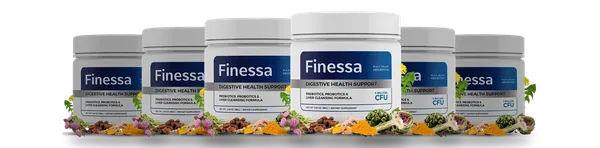
Order Finessa on the official website
One scoop a day, thirty scoops a tub, 180 days to change your mind.
$39 to $59 a tub · 180 days to change your mind
Order Finessa On The Official WebsiteThree e-books with an order · 180-day money-back guarantee · lot FIN-26/GE-7289
Finessa precautions, and what this website is not
- A dietary supplement, not a drug, and not FDA-approved.
- Follow the form and the serving printed on the tub you received.
- Not intended to diagnose, treat, cure or prevent any disease.
- For healthy adults aged 18 and over. Not for anyone under 18.
- Talk to a doctor or pharmacist before use if you take prescription medicine.
- Do not take more than the label states unless a clinician tells you to.
- The Gut Health blend contains cascara sagrada, a stimulant laxative, and the panel does not print how much. It is not for long unbroken use.
- Individual results vary. Food, sleep and activity still matter.
- Review lines, star scores and order counts on this website are this desk’s own order records, not a clinical result.
- Lot and certificate references are label records, not laboratory proof.
- The website address cannot see orders. Refunds go through the order line.
- Money-back is a purchase policy, not a medical promise.
- This website is not the manufacturer. Product facts follow the printed tub and the seller’s page.